Erasmus+ Funding for School Student Mobilities in Spain
“Your group, our responsibility.” How to use Erasmus+ school student mobility funding (KA-122 short-term and KA-121 accredited annual) to bring your group to EUTA in Benalmádena — application, eligibility, and what we handle on the ground.
Erasmus+ for schools — what funds your student mobility
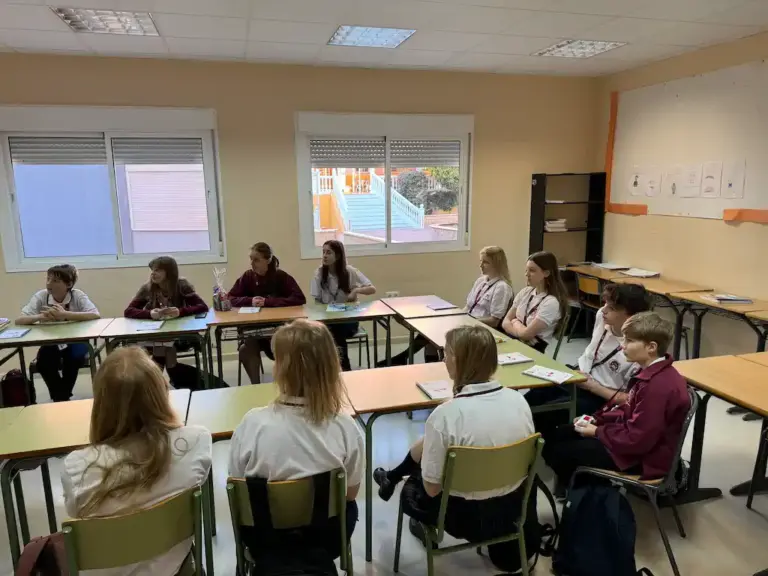
Erasmus+ supports schools in organising international group mobilities for students through two routes: KA-122 (short-term, no accreditation needed) and KA-121 (accredited annual). Both fund the same activity types — language courses, cultural immersion, collaborative learning — with travel, accommodation, programme costs, and preparation eligible for the grant.
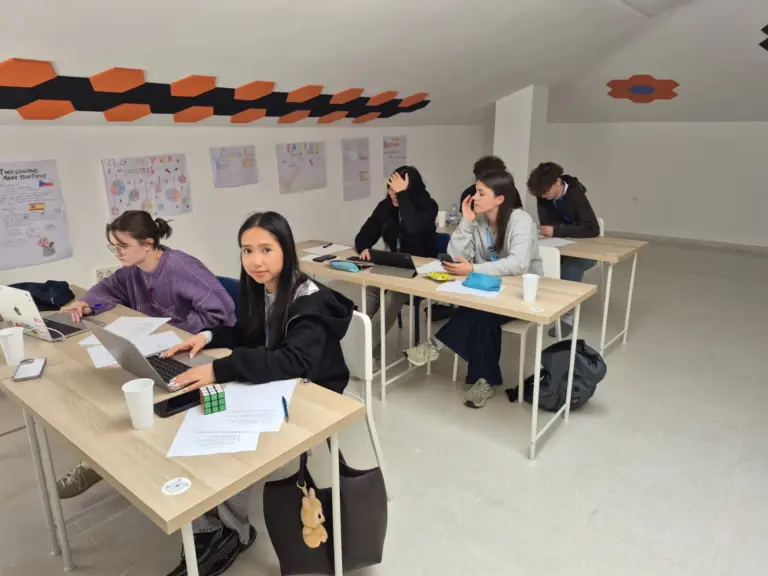
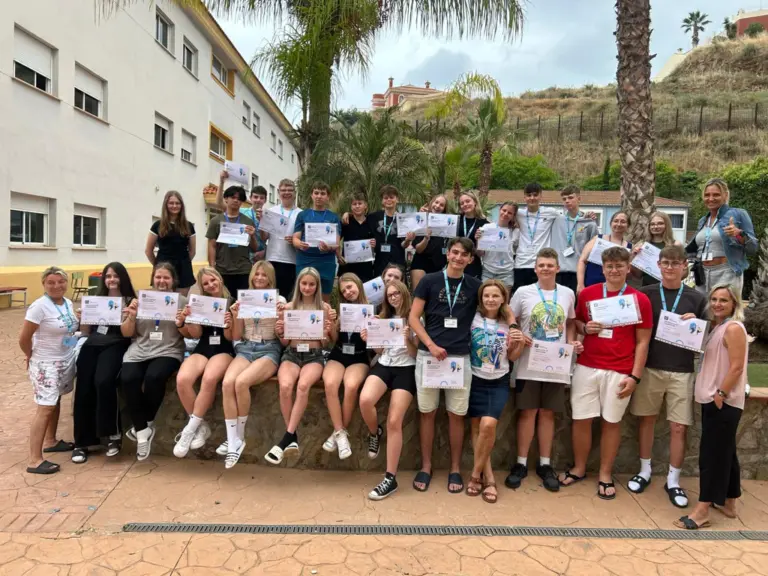
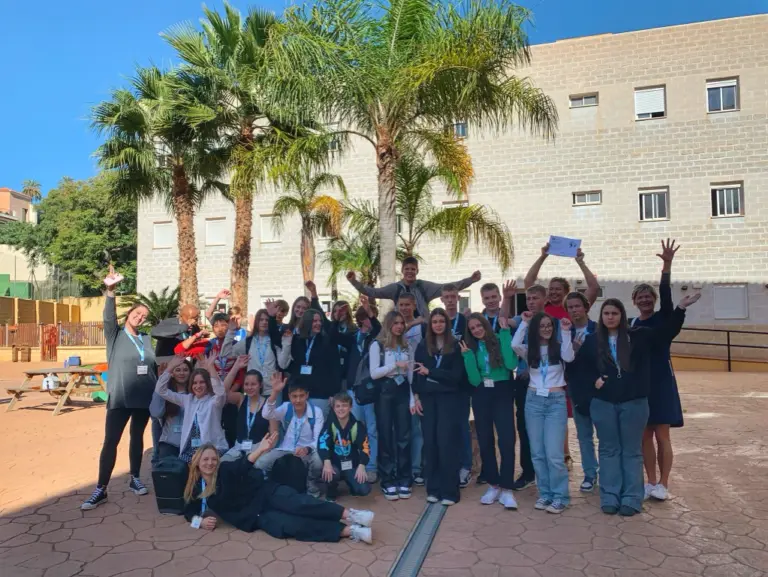
At EUTA, we specialise in planning and delivering these mobilities on our gated campus inside Benalmádena International College. Our team handles programme design, accommodation, logistics, and documentation — so your school can focus on the learning outcomes.
KA-122 — Short-term mobility (no accreditation needed)
KA-122 provides schools with a flexible, accessible way to organise short-term international group mobilities. No Erasmus+ accreditation is required — schools apply for a project-based grant through their National Agency.
Ideal for schools new to Erasmus+ or planning a one-off group trip. Students experience language courses, cultural immersion, and collaborative learning activities — all in a structured, safe environment in Benalmádena, Spain.
KA-121 — Accredited annual mobility
For schools holding Erasmus+ accreditation, KA-121 provides simplified annual funding for ongoing student and staff mobilities. Same activity scope as KA-122, with predictable multi-year budgets and no per-project applications.
Accredited schools benefit from streamlined funding requests and can plan multi-year sequences of mobilities without re-applying for each cohort.
What about KA-152?
KA-152 is a separate non-formal track for youth exchanges, not school student mobility. EUTA partners with youth organisations (and schools acting as youth orgs) to co-design KA-152 exchanges focused on intercultural understanding and non-formal learning. If your project sits in that space, tell us about it — we run them as co-running partner.
What school student mobility funding covers
Erasmus+ KA-122 and KA-121 grants for student mobilities are calculated from a few cost categories. Exact amounts are set by your country’s National Agency — see erasmus-plus.ec.europa.eu for the current programme guide.
Travel
Group transport to and from Benalmádena — flights, buses, or trains calculated by distance band. Organised by certified and insured tour operator under our supervision.
Accommodation & Meals
Full-board accommodation on the gated EUTA campus inside Benalmádena International College, arranged and managed end-to-end.
Programme Activities
Language courses, workshops, cultural excursions, and all structured activities during the mobility.
Preparation & Follow-up
Pre-departure planning, visa support, and post-mobility reporting and evaluation.
What EUTA handles for you
We take care of the logistics so your school can focus on learning outcomes. Here’s what we provide:
- Complete programme design aligned with Erasmus+ objectives
- Accommodation booking and meal arrangements on the EUTA campus
- Local transport, excursions, and activity coordination
- Pre-trip documentation: programme descriptions, daily schedules, invitation letters
- Post-trip certificates and Europass Mobility documents
- On-site coordination and 24/7 emergency support
What Our Participants Say
Voices from students and group coordinators who’ve spent their week with us in Benalmádena.
Frequently Asked Questions about Erasmus+ for Schools
Does our school need Erasmus+ accreditation to participate?
Not necessarily. Accredited schools can use their KA-121 annual budget for student mobilities. Schools without accreditation can apply for a short-term KA-122 project — a one-off project grant that doesn’t require prior accreditation. The funding types section on the Erasmus+ hub explains both routes.
What age groups can participate?
Our school student programmes are designed for groups aged 12–19 under KA-122 and KA-121. Group sizes typically range from 15 to 30 students, plus accompanying teachers. We tailor the programme content and activities to suit the specific age group and learning objectives.
How is the grant amount calculated?
Grant amounts depend on the Key Action, group size, and your country’s distance to Spain. Categories include travel (by distance band), individual support (per-day rates set by your National Agency), and programme activity costs. Exact rates are set by your National Agency — find yours on the official directory. We can help you estimate planning costs based on your group size — get in touch.
What is the difference between KA-122 and KA-121?
KA-122 and KA-121 fund the same activities (school student mobility and staff mobility) but apply differently. KA-122 is a short-term project-based grant — single application, no prior accreditation, ideal for one-off mobilities. KA-121 is the accredited annual route — schools holding Erasmus+ accreditation submit annual budget requests for ongoing multi-year planning. Teacher-side details at /erasmus/for-teachers/.
What about KA-152 — is that for schools too?
KA-152 is a separate Erasmus+ track for youth exchanges, not school student mobility. It’s non-formal learning, jointly designed between EUTA (as co-running partner) and a sending youth organisation. Schools acting as youth organisations can apply, but it’s a different activity type — themes negotiated per partnership, focused on intercultural understanding and youth participation. Talk to us if your project sits in that space.
How far in advance should we plan?
We recommend starting 6–12 months before your intended travel dates. KA-122 application deadlines are typically in February–March for mobilities in the following academic year. Contact us early — we can help with programme planning and provide the documentation you need for a strong application.
What documentation does EUTA provide?
We provide everything your school needs for the application and final report: detailed programme descriptions, daily schedules, Learning Agreements, official invitation letters, proforma invoices, participant certificates, and Europass Mobility documents. Our team guides you through the entire documentation process.
I have a different funding type — can EUTA still help?
Yes. Beyond Erasmus+ school student mobility (KA-122 and KA-121) and youth exchanges (KA-152), we adapt our programmes for other Erasmus+ project types — Cooperation Partnerships (KA-220), national or regional school-exchange programmes, and others. Tell us about your project and we’ll work out the fit. Get in touch.
Can we organise a trip without Erasmus+ funding?
Yes — all EUTA student programmes are available to self-funded groups. Many schools organise trips through their own budgets, parent contributions, or other funding sources. See student programmes for pricing and availability.
Our Student Programmes
 Erasmus+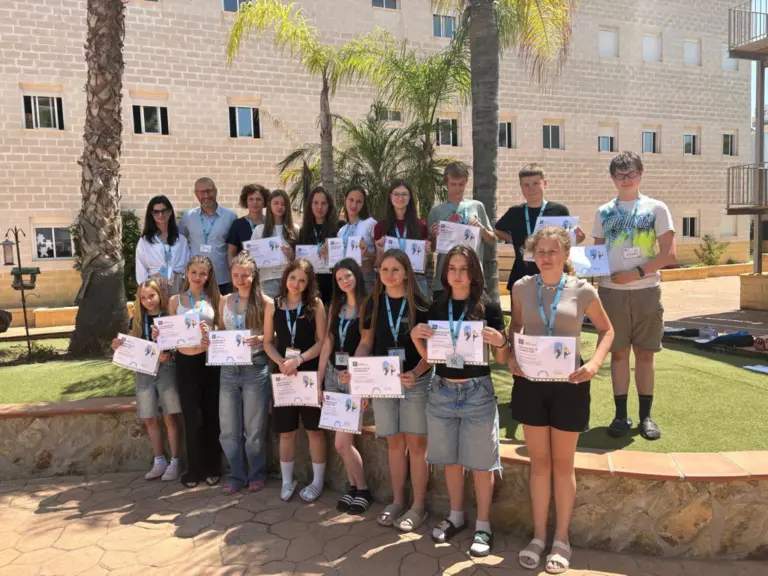
Plan your school’s Erasmus+ mobility with EUTA
Tell us about your group and we’ll design a programme tailored to your students’ age, level, and learning goals — and prepare every document your school needs for the Erasmus+ application.